- 17 Executive Park Drive, Clifton Park, NY 12065
- (518) 383-6654


Can Quality Music and Dance Lessons Improve Focus and Discipline?
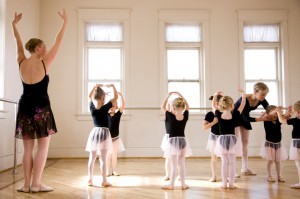
Life is full of distractions. Phones, games, and busy schedules make it tough to sit still or pay attention. Music and dance might look like just fun hobbies, but they do a lot more. Quality music and dance lessons train the brain and body while building focus and discipline.
These lessons aren’t just about hitting notes or nailing steps. They create habits that spill into school, work, and daily life. Students learn to pay attention, stick with tasks, and enjoy the process.
How Do Music Lessons Boost Focus?
Playing an instrument takes concentration. Every note, every rhythm demands listening and adjusting. Beginners quickly learn they can’t tune out.
Practicing songs builds mental stamina. Students notice mistakes and fix them on the spot. Over time, this strengthens attention and patience.
Reading music adds another layer. Students track timing, finger placement, and dynamics all at once. Multitasking like this improves memory and focus in other areas, too.
How Do Dance Lessons Build Discipline?
Dance isn’t just moving to a beat. Every routine teaches structure and timing. Students follow choreography and remember sequences, which trains their brains to stay on task.
Practice is key. Regular sessions teach responsibility. Students show up on time, pay attention, and push through tricky steps.
Dance also builds body control. Learners improve balance, coordination, and precision. Physical discipline often spills over into other parts of life, creating well-rounded focus.
What Mental Skills Come From These Lessons?
Music and dance lessons do more than teach performance. They build mental muscles students use every day:
- Sharpen attention and concentration
- Improve memory and recall
- Strengthen problem-solving skills
- Build patience and perseverance
- Reduce impulsive behavior
Structured lessons encourage goal-setting. Students work steadily toward improvement. The habits built in class stick beyond the studio.
How Do Lessons Encourage Long-Term Focus?
A single session is just the start. Real benefits come from regular practice. Students pay attention to small details over weeks and months. This routine strengthens focus and trains the mind to stick with challenges.
Breaking complex pieces or choreography into small parts helps learners tackle tasks bit by bit. This teaches persistence and patience. Both are skills that help in school, work, and everyday life.
Why Discipline Grows Naturally
Music and dance have rules. Notes must be played right, and choreography executed precisely. Teachers set expectations and hold students accountable.
Regular practice reinforces self-discipline. Students push through tough spots and stick with routines. Over time, these habits become second nature.
How Does Feedback Improve Focus?
Constructive feedback is a game-changer. Teachers correct posture, timing, and technique. Students learn to listen, accept guidance, and apply changes.
This builds patience and mental resilience. Learners see improvement each week, which keeps them motivated. Feedback turns mistakes into lessons rather than frustration.
How Do Group Lessons Help?
Group sessions add another layer. Students must coordinate with peers and stay alert. They watch cues and move in sync.
Performing with others also builds responsibility. Everyone has a role, and success depends on teamwork. This social element teaches discipline while keeping lessons fun.
What Makes Lessons “Quality”?
Not all lessons are equal. Quality music and dance lessons focus on skill, structure, and personal growth. Teachers balance fun with challenge, pushing students to improve without overwhelming them.
Here’s what makes lessons high-quality:
- Clear goals for each session
- Step-by-step skill building
- Individual feedback and guidance
- Practice and performance opportunities
- Focus on attention, discipline, and confidence
High-quality lessons ensure habits and skills last long after classes end.
FAQs
- Can beginners see results quickly?
Yes. Even a few weeks of consistent practice show improvements in focus and attention. - Do adults benefit as much as kids?
Absolutely. Adults gain patience, focus, and discipline while learning new skills. - How often should someone practice?
Short, regular sessions work best. Daily or several times a week gives steady progress. - Are group lessons as effective as private lessons?
Both work. Group lessons teach teamwork and attention. Private lessons focus on individual growth. - Can these lessons improve performance outside music and dance?
Yes. Skills like focus, patience, and perseverance transfer to school, work, and daily routines.
Final Thought
Quality music and dance lessons do more than teach notes or steps. They train the mind, build patience, and strengthen focus. Students develop habits that last, improving confidence, attention, and goal-setting.
If you want real growth in focus and discipline while having fun, CM School of Fine Arts offers expert-quality music and dance lessons for all ages.
Learn from skilled instructors, get personalized feedback, and enjoy a journey that strengthens the mind, builds discipline, and sparks a love for music and dance that lasts a lifetime.